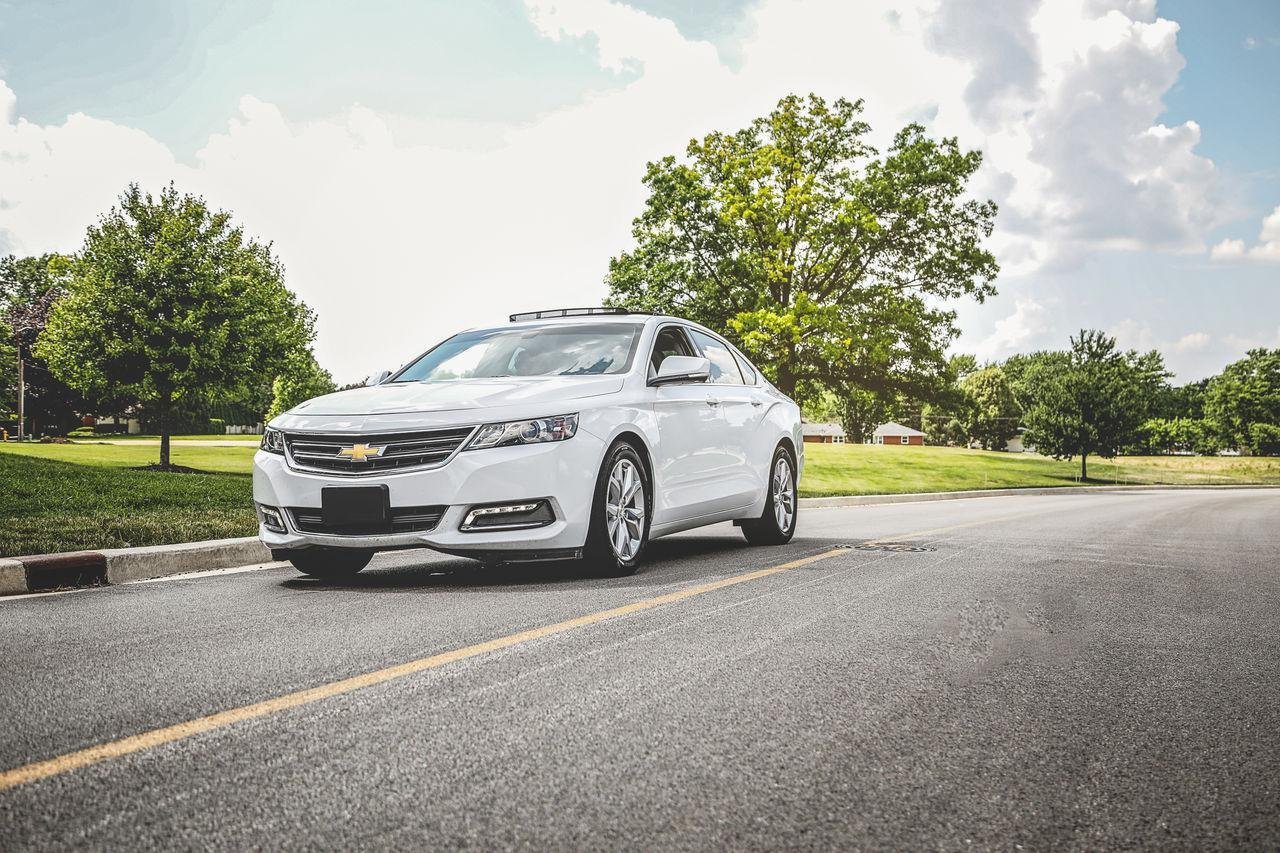
Buying a car brings a certain kind of freedom. You can travel to work without waiting for public transportation, take a weekend trip whenever you want, and manage everyday responsibilities with greater flexibility. However, owning a vehicle also means accepting financial responsibilities that many drivers underestimate. Accidents, theft, severe weather, and unexpected damage can turn an ordinary day into an expensive problem.
That is where auto insurance becomes important.
For drivers in the United States, auto insurance is more than another monthly bill. It is a financial arrangement that can help protect against certain losses involving a vehicle, injuries, property damage, and legal liability. The exact protection depends on the policy, the coverage limits, the exclusions, and the circumstances of a claim.
Choosing the right policy can feel confusing, particularly when insurance companies use unfamiliar terms or present several coverage options at once. One quote might appear inexpensive, while another costs considerably more but includes additional protection. Without understanding the difference, it is easy to focus on price alone and overlook coverage that could matter later.
This guide explains how auto insurance works, the major types of coverage available in America, the factors that influence premiums, and the practical steps drivers can take when comparing policies. Whether you are purchasing insurance for your first vehicle, reviewing an existing policy, or looking for ways to manage your household expenses, understanding the basics can help you make a more informed decision.
What Is Auto Insurance and How Does It Work?
Auto insurance is a contract between a vehicle owner or other insured person and an insurance company. In exchange for premium payments, the insurer agrees to provide specified financial protection under the terms of the policy.
The protection is not unlimited. Every policy contains conditions that determine what is covered, who is insured, how much the company may pay, and which situations are excluded.
Imagine that you accidentally collide with another vehicle while driving through an intersection. Depending on the circumstances and your coverage, your insurance might pay for damage to the other driver’s car, certain injury-related expenses, or repairs to your own vehicle. If you only carry liability coverage, however, damage to your own car generally would not be covered under that liability protection.
The distinction is important because different coverage types address different financial risks.
Understanding insurance premiums
A premium is the amount you pay to maintain your insurance policy. Depending on the insurer and payment arrangement, you might pay monthly, every six months, annually, or through another available schedule.
Insurance companies evaluate several factors when calculating premiums. These can include your driving record, vehicle characteristics, location, annual mileage, coverage selections, deductibles, and other factors permitted by applicable law.
Two drivers who own similar vehicles may receive different quotes because their circumstances are not identical. Likewise, the same driver may receive different prices from two insurers because each company uses its own underwriting methods and pricing models.
Understanding deductibles
A deductible is the amount you are responsible for paying toward a covered loss before the insurer pays the remaining eligible amount, subject to policy terms and limits.
For example, suppose your vehicle sustains $3,000 in covered collision damage and your collision deductible is $500. If the entire repair cost is eligible under your policy, you would generally pay $500 and the insurer would pay the remaining $2,500.
Deductibles usually apply to specific coverage types, such as collision or comprehensive coverage. Liability coverage generally does not have a deductible in a standard personal auto policy, although policy arrangements can differ.
Choosing a higher deductible may reduce your premium, but it also means accepting more out-of-pocket expense if you file a covered claim. The right amount depends partly on how much you could comfortably pay after an unexpected incident.
Understanding coverage limits
Coverage limits establish the maximum amount an insurer will pay for a covered claim under a particular part of the policy.
Suppose your liability policy has a property damage limit of $25,000 per accident. If you are legally responsible for $35,000 in covered property damage, the policy may pay up to its applicable limit, leaving you potentially responsible for the remaining amount.
The actual outcome depends on the policy, applicable law, and the circumstances of the accident.
This is why comparing two policies solely by their premiums can be misleading. A lower-priced policy may offer lower limits, higher deductibles, or fewer optional protections.
Understanding premiums, deductibles, and coverage limits provides a useful foundation before exploring the main types of auto insurance.
Main Types of Auto Insurance Coverage in the USA
Not every auto insurance policy provides the same level of protection. Some drivers purchase only the coverage required by their state, while others add protection for their own vehicle, medical expenses, or losses caused by uninsured motorists.
The right combination depends on state requirements, vehicle value, financial circumstances, and personal preferences. The National Association of Insurance Commissioners (NAIC) and the Insurance Information Institute (Triple-I) provide consumer guidance explaining these major coverage categories.
1. Bodily injury liability insurance
Bodily injury liability coverage helps pay for eligible injury-related claims made by other people when you are legally responsible for an accident.
Depending on the policy and applicable law, covered expenses may include medical treatment, rehabilitation, lost income, and certain damages associated with an injury. It may also help pay for legal defense when a covered claim or lawsuit arises.
Consider a situation in which you fail to stop in time at a traffic light and collide with another vehicle. The other driver suffers an injury and needs medical attention. If you are found legally responsible, your bodily injury liability coverage may help pay the covered claim, up to the policy’s limits.
This coverage is important because injury claims can become expensive quickly. Hospital treatment, follow-up appointments, and time away from work can create costs that exceed what many people expect.
When reviewing this coverage, examine both the per-person limit and the per-accident limit. These figures represent different restrictions on how much the insurer may pay for covered injuries.
Drivers should also understand that liability coverage generally protects against claims from other people, rather than paying for their own injuries or repairing their own vehicle.
2. Property damage liability insurance
Property damage liability coverage helps pay for damage you cause to another person’s property when you are legally responsible for a covered accident.
The damaged property might be another car, a fence, a garage door, a building, or another physical structure. A collision with a parked vehicle is one common example.
Imagine that you lose control while turning into a parking space and damage two parked cars. If you are legally responsible, property damage liability coverage may pay eligible repair costs for the other vehicles, subject to your policy limit.
A frequent misunderstanding is that property damage liability pays to repair the policyholder’s own car. Generally, it does not. Damage to your own vehicle after a collision is usually addressed through collision coverage, if you purchased it.
This distinction matters when comparing policies. A driver may have substantial liability protection but still face a large repair bill for their own vehicle if they have no applicable physical damage coverage.
3. Collision insurance
Collision coverage helps pay for covered damage to your insured vehicle resulting from a collision with another vehicle or an object. Depending on the policy, it may also cover damage when your vehicle overturns.
Examples of situations that may fall under collision coverage include:
- Hitting another car at an intersection.
- Striking a tree or a guardrail.
- Colliding with a barrier in a parking garage.
- Losing control and hitting an object on the road.
Collision coverage normally has a deductible. If covered repairs cost $4,200 and your deductible is $750, the insurer would generally pay $3,450, assuming the full repair amount is eligible and no other policy limitation applies.
Collision coverage can be valuable when repairing or replacing your vehicle would put pressure on your savings. It may be especially relevant for newer cars or vehicles that would be expensive to repair.
However, collision coverage is not automatically required by state law. A lender or leasing company may require it as a condition of financing or leasing a vehicle.
For an older vehicle, compare the cost of collision coverage with the car’s current market value, the deductible, and the amount you could afford to pay yourself. The decision should be based on your financial situation rather than the vehicle’s age alone.
4. Comprehensive insurance
Comprehensive coverage generally helps pay for covered damage to your vehicle caused by events other than a collision.
Common examples include:
- Vehicle theft.
- Fire damage.
- Hail and certain other weather-related damage.
- Falling branches or other objects.
- Vandalism.
- Flood damage, subject to the policy terms.
- Collisions with animals, such as deer.
Comprehensive coverage is useful because not every threat to a vehicle comes from another driver. A parked car can be damaged by a storm, stolen from a driveway, or affected by an unexpected event.
Suppose a severe hailstorm damages the roof and hood of your vehicle while it is parked outside. If the damage is covered under your comprehensive policy, the insurer may pay the eligible repair cost after the deductible.
Comprehensive coverage usually does not pay for ordinary wear and tear, routine maintenance, or mechanical failure simply because a vehicle stops working. Exact exclusions depend on the policy.
Like collision coverage, comprehensive coverage may be required by a lender or leasing company even when state law does not require it.
5. Uninsured and underinsured motorist coverage
Uninsured motorist coverage can help protect you when an at-fault driver has no auto insurance, subject to the coverage you purchased and the laws of your state.
Underinsured motorist coverage may help when the at-fault driver’s liability limits are insufficient to cover eligible losses. The rules for these benefits, including whether they cover injuries, property damage, or both, vary by state and policy.
Consider a driver who is injured in an accident caused by someone who has no insurance. Without applicable uninsured motorist protection, recovering compensation may be more difficult and could involve pursuing other legal options.
These coverages can be particularly relevant because not every driver follows insurance requirements. According to the NAIC’s consumer information, uninsured motorist rules and requirements differ across jurisdictions.
Before buying this protection, check whether it is required or must be offered in your state, whether you can reject it, and which types of losses it covers.
Do not assume uninsured motorist coverage automatically pays for every repair or injury. Its scope depends on the specific policy and applicable state rules.
6. Personal injury protection (PIP)
Personal injury protection, commonly called PIP, helps pay certain injury-related expenses following a covered auto accident. Depending on the state’s rules and the policy, covered benefits may include medical expenses, some lost wages, and other specified costs.
PIP is associated with no-fault insurance systems, although its exact role differs across states.
In a state with applicable no-fault rules, an injured person may first seek certain benefits from their own insurer, regardless of who caused the accident. There may still be circumstances in which a person can pursue a claim against another driver.
For example, if you are injured in a covered accident and cannot work temporarily, your PIP policy might provide eligible medical benefits and certain income-related benefits if those are included under the applicable coverage.
PIP is not identical in every state. Eligibility requirements, benefit limits, deductibles, and rules governing claims can differ significantly. Check the requirements where your vehicle is registered and insured before selecting your policy.
7. Medical payments coverage
Medical payments coverage, often called MedPay, may help pay eligible medical or funeral expenses for you or your passengers after a covered auto accident, regardless of fault, subject to policy conditions.
It is different from liability coverage because its purpose is to address specified expenses for covered people rather than claims made by others against you.
MedPay and PIP may overlap in some areas, but they are not interchangeable. PIP may include additional benefits, such as certain lost-income payments, depending on the state and policy.
Whether MedPay makes sense for you may depend on your health insurance, existing benefits, household budget, and the availability of other accident-related protection.
8. Gap insurance
Gap insurance is designed to address a particular financial problem that can arise when a financed or leased vehicle is worth less than the amount still owed.
Imagine you purchase a vehicle using an auto loan. After a serious covered accident, the insurer determines that the vehicle is a total loss and calculates its covered value under the policy. That amount might be lower than your outstanding loan balance.
If you owe $28,000 but the applicable insurance settlement is $23,000, there is a $5,000 difference before considering any additional adjustments. You may still owe that balance to the lender.
Gap coverage may help pay the eligible difference under its terms. It does not necessarily cover every amount associated with a loan, such as overdue payments, all deductibles, or additional fees.
Before buying gap coverage, check your loan balance, the vehicle’s estimated value, the terms of any existing coverage, and whether your lender or dealer already offers a suitable product.
9. Rental reimbursement and roadside assistance
Some insurers offer optional benefits that can make vehicle ownership more convenient after a covered event.
Rental reimbursement may help pay for a temporary rental vehicle while your car is being repaired following a covered claim. Policies commonly set daily and total payment limits. The benefit generally does not cover every rental expense under every circumstance.
Roadside assistance may help with specified services such as towing, a jump-start, or assistance with a flat tire. Service limits, eligibility, and additional fees depend on the plan.
These options can be useful if you rely on your vehicle for commuting or have limited access to public transportation. However, compare them with existing benefits from an automobile club, vehicle manufacturer, warranty, or other service provider to avoid paying twice for similar protection.
How Much Auto Insurance Coverage Do You Need?
There is no single coverage amount that works for every American driver. Your needs depend on state requirements, your financial responsibilities, your vehicle, and how much risk you can reasonably manage yourself.
The first step is to identify the minimum insurance or financial responsibility requirements in your state. The second is to evaluate whether those minimums would provide enough protection for your circumstances.
State minimum requirements are only a starting point
Most states require some form of auto liability insurance. However, the minimum limits and other requirements are not identical nationwide. Some states also require particular injury-related or uninsured motorist benefits.
A policy that meets the legal minimum may not cover the full cost of a serious accident.
For example, imagine that you cause an accident involving multiple vehicles and significant injuries. If the eligible claims exceed your liability limits, you may be personally responsible for amounts that the insurer does not cover.
That possibility makes it important to review your liability limits in relation to your income, savings, assets, and potential exposure to claims.
Consider the value of your vehicle
Drivers with newer or more expensive vehicles may have more reason to consider collision and comprehensive coverage because repairs or replacement can be costly.
Drivers with older vehicles may decide differently, especially if the car’s value is modest and they could afford to replace it themselves. Nevertheless, age alone should not determine the decision. Repair costs, the vehicle’s condition, loan requirements, and the cost of insurance also matter.
A useful question is: if your vehicle were damaged beyond repair tomorrow, could you afford to replace it without creating a serious financial problem?
Your answer can help you assess the practical value of physical damage coverage.
Review your household circumstances
Your ideal coverage may change when your circumstances change. Buying a home, adding a newly licensed driver to your household, financing a vehicle, or taking on additional financial responsibilities may justify reviewing your policy.
Similarly, someone who drives infrequently may have different needs from a person who commutes long distances every day.
A licensed insurance professional can help you compare appropriate limits and coverage options without assuming that the most expensive policy is automatically the best one.
What Factors Affect Auto Insurance Costs?
One of the most common questions drivers ask is why auto insurance costs so much and why two people can receive very different quotes for similar vehicles.
Insurance premiums reflect the insurer’s assessment of potential claims and the cost of providing coverage. Companies use different rating methods, and state regulations affect which factors they can consider.
Understanding these factors can help you identify opportunities to save money without removing protection that matters to you.
Driving history
Your driving record can influence the price of your policy. Accidents, certain traffic violations, and previous claims may affect how an insurer evaluates your risk.
A driver with a history of serious violations may receive a higher quote than a driver with a clean record, although the effect varies by insurer, state, and circumstances.
Maintaining safe driving habits is valuable for reasons beyond insurance costs. Following speed limits, avoiding distractions, and leaving enough distance between vehicles can reduce the likelihood of accidents.
Vehicle make, model, and repair costs
The vehicle you insure can influence your premium. Insurers may consider factors such as repair costs, vehicle value, safety features, theft risk, and the cost of replacing damaged components.
For instance, a luxury vehicle with expensive parts may cost more to repair than a basic sedan. Some vehicles also have advanced sensors and driver assistance systems that can make certain repairs more expensive.
Before purchasing a vehicle, consider requesting insurance quotes for the models you are comparing. This allows you to evaluate the likely insurance expense alongside the purchase price, fuel costs, and maintenance budget.
Location and driving frequency
Where you live and drive can influence insurance rates. Traffic density, accident frequency, theft, weather-related losses, repair costs, and other local conditions may affect pricing.
Someone who drives regularly through congested urban roads may have a different risk profile from someone who lives in a rural area and drives fewer miles.
Annual mileage can also matter. Some insurers offer programs or pricing options for eligible low-mileage drivers, but availability and savings vary.
Age and driving experience
Age and driving experience may influence rates, particularly for younger or newly licensed drivers. Insurers may evaluate statistical differences in driving risk when permitted by state law.
Parents considering adding a teenager to their policy should request quotes and ask about available discounts. The cost can be significant, so it is worth reviewing the options before the young driver begins using a household vehicle regularly.
Coverage limits and deductibles
The amount of protection you purchase affects the price of your policy. Higher liability limits can cost more than lower limits, while adding collision, comprehensive, or optional benefits generally increases the premium.
Deductibles also influence pricing. A higher deductible may reduce the premium for applicable coverage, but you must be prepared to pay that amount if a covered loss occurs.
The goal is to find a balance between affordable premiums and manageable out-of-pocket expenses.
Claims history and other rating factors
Insurers may consider previous claims and additional rating factors allowed by state law. Depending on the state and insurer, these may include other information related to the driver’s risk profile.
You should not assume that every company uses the same factors or weighs them equally. When comparing quotes, ask the insurer which information is affecting your price and whether correcting an error or updating outdated information could change the result.
How to Save Money on Auto Insurance Without Sacrificing Protection
Lowering your insurance bill does not necessarily mean buying the cheapest policy available. A better strategy is to compare suitable policies, identify discounts, and remove unnecessary expenses while preserving coverage appropriate for your circumstances.
Compare quotes from multiple insurers
One of the most practical ways to find competitive auto insurance is to request quotes from several companies.
Try to compare equivalent coverage rather than accepting the lowest advertised price. Review liability limits, deductibles, comprehensive and collision coverage, and any optional benefits.
For example, one company might quote a lower premium because it offers lower liability limits. Another might charge more but include higher limits or additional benefits. Without comparing the details, you cannot determine which offer represents better value for your needs.
You can obtain quotes directly from insurers or work with a licensed insurance agent or broker, depending on the options available in your state.
Ask about discounts
Insurance companies may offer discounts for eligible customers. Common possibilities include:
- Insuring multiple vehicles with the same company.
- Bundling eligible home and auto policies.
- Maintaining a qualifying driving record.
- Completing an approved defensive driving course.
- Installing qualifying anti-theft devices.
- Participating in an eligible safe-driving or telematics program.
Not every discount is available everywhere, and qualification rules vary. Ask the insurer which discounts apply to your circumstances and whether they require documentation or enrollment.
The NAIC’s consumer guidance also recommends asking insurers about potential discounts when shopping for auto coverage.
Choose a deductible you can afford
Increasing your deductible may lower the premium for collision or comprehensive coverage.
However, the potential savings should be weighed against the additional amount you would pay after a covered loss.
Suppose you have enough savings to cover a $1,000 deductible without borrowing money. A higher deductible might be worth considering if the premium reduction is meaningful. If paying $1,000 would interfere with rent, groceries, or other essential expenses, the lower deductible may be more practical.
Ask the insurer to show you prices at several deductible levels. This makes the trade-off easier to evaluate.
Review your policy at renewal
Your insurance needs can change over time. You may drive fewer miles, replace a vehicle, move to another area, or no longer need a particular optional benefit.
Reviewing your policy before renewal helps you identify outdated information and coverage that may need adjustment.
However, do not cancel existing coverage simply because you have received a cheaper quote. First confirm that the replacement policy is approved, its effective date is clear, and the coverage meets your legal and financial needs.
Consider usage-based insurance
Some insurers offer usage-based insurance programs that evaluate driving information collected through a mobile application or an in-vehicle device.
Depending on the program, the insurer may consider factors such as mileage, braking, acceleration, or the time of day you drive. Some programs offer discounts, while the effect on pricing and renewal terms varies.
Before enrolling, read the program’s privacy information and determine which driving data is collected, how it is used, and whether your premium could change based on the results.
Usage-based insurance is not automatically the best option for every driver. Compare the potential benefits with the terms and data-sharing requirements.
How to Compare Auto Insurance Quotes Correctly
Shopping for auto insurance becomes easier when you follow a consistent process.
Step 1: Gather accurate information. Prepare your vehicle identification information, driving history, address, estimated annual mileage, and details about the drivers who need to be insured.
Step 2: Choose your desired coverage. Identify the liability limits and optional protections you want to compare. Check your state’s requirements and any lender or leasing agreement.
Step 3: Request several quotes. Provide accurate information to each insurer. Differences in the information supplied can make price comparisons unreliable.
Step 4: Compare the complete policy details. Review premiums, deductibles, coverage limits, exclusions, payment fees, and optional benefits.
Step 5: Evaluate the insurer. Research the company’s complaint information, financial strength, customer service options, and claims process. State insurance departments can provide consumer resources for evaluating insurers.
Step 6: Confirm the policy before switching. Check the effective date, required payment, and proof of coverage. Avoid creating a gap between policies.
A little preparation can prevent misunderstandings and help you choose a policy based on value rather than price alone.
Common Auto Insurance Mistakes to Avoid
Even experienced drivers can overlook important details when purchasing or renewing coverage.
Choosing a policy based only on price
A low premium can be attractive, but it may come with lower limits, higher deductibles, or fewer benefits. Compare the actual protection offered before making a decision.
Assuming every type of damage is covered
Liability, collision, and comprehensive insurance serve different purposes. Mechanical breakdown, routine maintenance, personal belongings, and commercial vehicle use may require separate arrangements or may be excluded.
Read the policy and ask questions about situations that matter to you.
Providing inaccurate information
Incorrect details about your address, mileage, vehicle use, or household drivers can create problems during underwriting or a claim. Give truthful information and promptly report relevant changes.
Ignoring lender requirements
If you finance or lease a vehicle, the agreement may require comprehensive and collision coverage. Failing to maintain required protection can have contractual consequences.
Letting coverage lapse
Driving without required insurance can result in legal and financial consequences. A lapse may also affect future insurance pricing, depending on the circumstances and applicable rules.
If you are changing insurers, coordinate the effective dates so the new coverage begins before the old policy ends.
What to Do After a Car Accident
Knowing what to do after an accident can make the claims process more manageable.
First, check whether anyone is injured and contact emergency services when necessary. Move to a safe location if it is possible to do so without creating additional danger, and follow local reporting requirements.
Exchange relevant information with the other driver, including contact and insurance details. Document the scene, vehicle damage, and other relevant facts when it is safe and lawful to do so.
Notify your insurer promptly and provide accurate information. Keep copies of photographs, repair estimates, correspondence, and claim reference numbers.
The insurer may investigate the incident, assess liability, inspect the damage, and determine which policy provisions apply. Cooperate with reasonable requests and ask for clarification if you do not understand a decision.
Remember that reporting an accident does not automatically mean every expense will be covered. Payment depends on the applicable coverage, liability determination, exclusions, deductibles, and policy limits.
Frequently Asked Questions About Auto Insurance
Is auto insurance required in every US state?
Most states require drivers to maintain some form of auto liability insurance, but requirements differ. New Hampshire has a different framework involving financial responsibility requirements rather than a universal compulsory liability insurance mandate for every driver. Check the current rules with your state’s insurance department or motor vehicle agency before driving.

NAIC
+1
What is the difference between liability and full coverage?
Liability insurance generally helps cover eligible claims for injuries or property damage you cause to others when legally responsible. The term “full coverage” is commonly used to describe a combination that includes liability, collision, and comprehensive coverage, but it is not a standardized policy definition and does not mean every possible loss is covered.
Does comprehensive insurance cover accidents?
Comprehensive coverage generally addresses specified non-collision losses, such as theft, fire, hail, and certain animal-related damage. Damage resulting from a collision with another vehicle or object is generally handled by collision coverage, subject to policy terms.
Can I get auto insurance with a poor driving record?
You may still have options, although prices and eligibility vary by insurer and state. Request quotes from multiple companies and ask a licensed agent about suitable coverage. If standard-market coverage is unavailable, your state insurance department may be able to explain whether an assigned-risk or other residual-market program exists.
How can I find affordable auto insurance?
Compare several quotes with equivalent coverage, ask about available discounts, review your deductibles, and ensure your application information is accurate. Consider reducing unnecessary benefits only after understanding what protection you would lose.
Should I keep collision coverage on an older car?
It depends on the vehicle’s value, premium, deductible, repair costs, and your ability to replace the car yourself. Compare the annual cost of coverage with the financial protection it provides and consider whether a lender requires it.
Does auto insurance cover someone else driving my car?
Coverage depends on the policy, the driver’s relationship to you, permission to use the vehicle, exclusions, and state law. Some policies restrict coverage in particular circumstances. Review your contract and contact your insurer before regularly allowing another person to drive your vehicle.
What happens if my car is totaled?
If the insurer determines that your vehicle is a total loss under the applicable rules, the settlement is generally based on the vehicle’s covered value and policy provisions, rather than automatically paying the original purchase price. Your deductible and any outstanding loan balance may affect your financial outcome.
Can I change auto insurance companies at any time?
You can often switch insurers before your current policy expires, but cancellation procedures, refunds, fees, and other conditions depend on the policy and applicable law. Confirm that replacement coverage is active before ending the old policy.
Is the cheapest auto insurance always the best choice?
No. The lowest price may not provide sufficient liability limits or the physical damage protection you need. Compare policy limits, deductibles, exclusions, customer service, and the claims process alongside the premium.
Conclusion: Choose Auto Insurance With Confidence
Auto insurance is an important part of responsible vehicle ownership in the United States. The right policy can help manage the financial consequences of covered accidents, injuries, vehicle damage, and liability claims. However, the protection you receive depends on the specific coverage you purchase and the terms of your contract.
Start by understanding your state’s requirements, then consider your vehicle’s value, financial responsibilities, driving habits, and ability to handle unexpected expenses. Learn the difference between liability, collision, comprehensive, uninsured motorist, and medical-related coverage before comparing quotes.
Rather than choosing a policy based only on its advertised price, compare equivalent coverage from multiple insurers. Ask about available discounts, select deductibles you can afford, and review your policy whenever your circumstances change.
Most importantly, read the policy documents and seek clarification about exclusions or limitations before purchasing. Insurance terminology can seem complicated at first, but a careful comparison can help you make a decision that better fits your needs and budget.
At InsureWiseGuid.site, the goal is to help readers understand insurance concepts and make more informed decisions. Use this guide as a starting point, verify your state’s current requirements, and consult a licensed insurance professional when you need advice tailored to your situation.