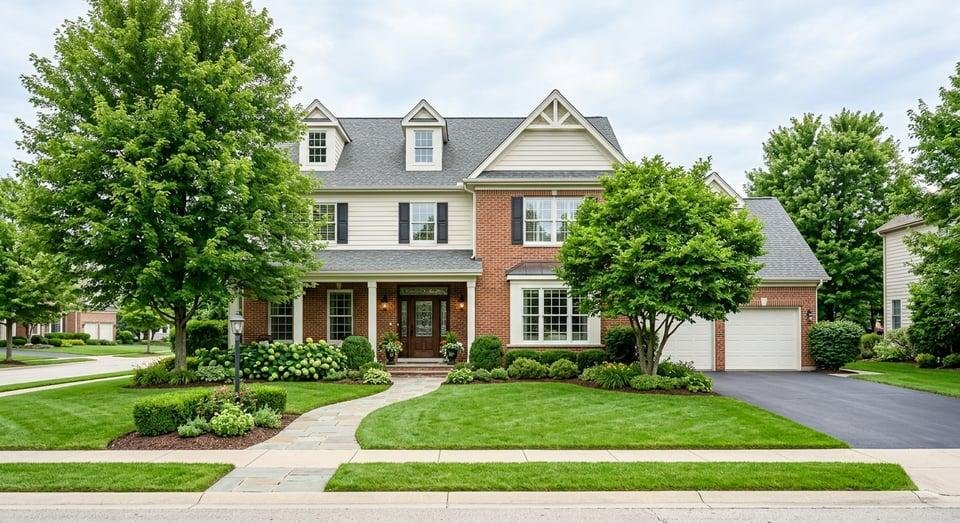
Buying a home is one of the biggest financial decisions many people make. For some families, it represents years of saving, careful budgeting, and planning for a more stable future. For others, it is an investment that provides both a place to live and a valuable long-term asset. Whatever the reason for buying a property, protecting it against unexpected losses deserves serious attention.
A house can be affected by much more than ordinary wear and tear. A kitchen fire, a severe windstorm, a break-in, or a burst pipe can lead to expensive repairs and disruption to everyday life. Even an incident that appears relatively minor can become costly when it damages floors, walls, furniture, or electrical systems.
This is where homeowners insurance can help.
A homeowners insurance policy is designed to provide financial protection against certain property losses and liabilities, subject to the policy’s conditions, exclusions, deductibles, and limits. Depending on the policy, it may cover damage to the home’s structure, personal belongings, certain expenses when the home becomes temporarily unlivable, and specific liability claims involving other people.
However, homeowners insurance does not cover every possible problem. Flood damage, earthquakes, gradual deterioration, maintenance issues, and other risks may be excluded or require separate protection. The exact terms matter just as much as the price.
For American homeowners, understanding these details is essential when purchasing a policy or reviewing existing coverage. This guide explains how homeowners insurance works, the major coverage categories, what policies commonly exclude, which factors affect premiums, and how to compare insurance options more confidently.
What Is Homeowners Insurance?
Homeowners insurance is a contract between a property owner and an insurance company. The homeowner pays a premium, and the insurer provides the coverage described in the policy for eligible losses.
The policy identifies the insured property, the people covered, the types of losses included, applicable limits, deductibles, exclusions, and responsibilities after an incident.
For example, suppose a covered fire damages part of your kitchen. Depending on your policy, the insurer may help pay for eligible repairs to the home’s structure and replacement of damaged personal belongings. If the damage makes the house temporarily uninhabitable, the policy may also provide certain additional living expenses.
The final payment depends on the policy terms, the amount of covered damage, the deductible, the applicable limits, and the insurer’s claim assessment.
Why homeowners insurance matters
A home represents a substantial financial commitment. Most homeowners cannot comfortably pay for every major repair out of pocket, especially if a serious incident occurs without warning.
Homeowners insurance can help transfer certain financial risks to an insurer in exchange for a premium. It may protect against covered events such as fire, theft, and specific types of storm damage.
It can also provide liability protection if a covered incident leads to a claim against the homeowner.
For instance, if a visitor slips on an icy walkway and alleges that the homeowner’s negligence caused an injury, the policy may provide liability coverage depending on the circumstances and terms. This can include eligible legal defense expenses and covered damages, subject to the policy.
Homeowners insurance does not eliminate every financial risk. Instead, it helps manage the risks specifically included in the contract.
Is homeowners insurance required by law?
Homeowners insurance is generally not mandated by state law for every homeowner simply because they own a house. However, mortgage lenders commonly require borrowers to maintain suitable property insurance as a condition of their loan.
The lender has a financial interest in the property because it serves as collateral for the mortgage. If a serious covered loss damages the home, insurance can help fund repairs or address the loss under the policy and applicable loan arrangements.
Homeowners who have paid off their mortgages may have more flexibility about purchasing coverage, but going without insurance can leave them exposed to substantial repair or rebuilding expenses.
Even when insurance is not required by a lender, homeowners should consider how they would manage a major loss without it.
What Does Homeowners Insurance Cover?
Homeowners insurance commonly combines several types of protection in one policy. The exact package depends on the policy form, insurer, endorsements, and state-specific rules.
Understanding each coverage category can help you identify whether a quote provides appropriate protection for your home and circumstances.
1. Dwelling coverage
Dwelling coverage is intended to protect the physical structure of the insured home against covered losses.
Depending on the policy, the insured structure may include the house itself and certain permanently attached components, such as built-in cabinets, flooring, and attached fixtures.
Imagine a fire damages the roof, walls, and kitchen cabinets. If the fire is a covered event, dwelling coverage may help pay for eligible repairs or rebuilding costs, subject to the deductible and policy limit.
One of the most important decisions is choosing an appropriate dwelling coverage limit.
The amount should generally reflect the estimated cost to rebuild the home using comparable construction, materials, and labor, rather than simply its market selling price. Market value includes factors such as land value and local real estate demand, which do not directly determine rebuilding costs.
For example, two homes with similar selling prices might have different rebuilding costs because one has custom construction or more expensive materials. Conversely, a home located on valuable land might have a market price far above the cost of rebuilding its structure.
Homeowners should discuss replacement estimates with their insurer or agent and review coverage after significant renovations, additions, or changes in local construction costs.
2. Other structures coverage
Many homeowners policies also provide coverage for certain structures on the property that are separate from the main dwelling.
Examples may include:
- Detached garages.
- Fences.
- Garden sheds.
- Certain freestanding workshops.
- Other eligible detached structures.
Suppose a covered windstorm damages a detached garage behind your home. Other structures coverage may help pay for eligible repairs, depending on the policy terms.
The coverage limit is often calculated as a percentage of the dwelling limit in standard policy arrangements, but the amount and conditions vary. Homeowners with expensive outbuildings, detached workshops, or unusual property features should confirm that the available limit is adequate.
Not every structure or use is automatically covered. A building used for business, rented separately, or used to store specialized equipment may require additional consideration.
3. Personal property coverage
Personal property coverage helps protect eligible belongings inside the home and, in many policies, certain belongings temporarily located elsewhere.
Common examples include furniture, clothing, televisions, computers, kitchen equipment, and other household possessions.
Imagine a covered fire damages your living room and destroys a sofa, a television, and several pieces of furniture. Personal property coverage may help pay for eligible replacement or repair costs under the policy.
However, coverage is subject to limits and exclusions. Certain valuable items, such as jewelry, watches, collectibles, firearms, or specialized equipment, may have restricted coverage for particular losses. Additional insurance or scheduled personal property coverage may be appropriate for some items.
It is useful to keep an inventory of your belongings. Photographs, purchase records, receipts, and model information can help establish what you owned if a claim becomes necessary.
Homeowners should also check whether their policy settles personal property losses on a replacement-cost basis or an actual-cash-value basis. That distinction can substantially affect the amount paid.
4. Personal liability coverage
Personal liability coverage can help protect you financially if you are legally responsible for certain injuries to other people or damage to their property.
For example, a visitor might trip over a loose step at your home and suffer an injury. If the visitor makes a covered claim alleging that you were negligent, your homeowners policy may provide legal defense and pay eligible damages, subject to the policy terms and limits.
Liability coverage can also apply to certain incidents away from the home, depending on the policy. It is not limited to accidents that happen inside your house.
However, this coverage is not a substitute for every type of liability insurance. Business activities, certain vehicle-related incidents, intentional acts, and other excluded situations may fall outside the policy.
When choosing a liability limit, consider your financial circumstances, the number of people who regularly visit your property, and the potential consequences of a serious claim. Homeowners with greater liability exposure may want to discuss higher limits or a personal umbrella policy with a qualified insurance professional.
5. Additional living expenses coverage
A major insured loss can make a home temporarily unsuitable for living. Repairs might take weeks or months, depending on the severity of the damage and the availability of contractors and materials.
Additional living expenses coverage, sometimes called loss-of-use coverage, may help pay certain extra costs when a covered event makes the home uninhabitable.
Eligible expenses may include:
- Temporary accommodation.
- Additional meal expenses beyond normal household food costs.
- Certain temporary transportation or living costs, where covered.
- Other necessary expenses recognized by the policy.
Suppose a covered kitchen fire forces your family to stay in temporary accommodation while the house is repaired. If your policy includes applicable loss-of-use benefits, it may help pay the eligible additional expenses within the policy’s limits and time restrictions.
This coverage generally does not mean that every living expense is reimbursed. Insurers commonly distinguish between ordinary costs you would have paid anyway and additional costs caused by the covered incident.
Keep receipts, document the circumstances, and ask your insurer which expenses qualify before making major spending commitments whenever possible.
6. Medical payments to others
Some homeowners policies include medical payments coverage for certain minor injuries sustained by other people, regardless of whether the homeowner is legally liable.
For example, a guest might receive minor medical treatment after being injured on your property. Medical payments coverage may help pay eligible expenses within the policy limit.
This benefit is generally more limited than personal liability coverage. It does not replace comprehensive health insurance, and its limits may be relatively small compared with the cost of a serious injury.
Check your policy to understand who qualifies, which expenses are eligible, and what exclusions apply.
What Does Homeowners Insurance Usually Not Cover?
Understanding exclusions is just as important as understanding covered losses. A homeowner who assumes that every type of property damage is insured could face a serious financial surprise.
Coverage varies between insurers and policy forms, so the following examples are general rather than universal.
Flood damage
Standard homeowners insurance policies generally exclude flood damage. Flooding can occur after heavy rainfall, overflowing rivers, storm surges, or water accumulating in areas that normally remain dry.
Homeowners in flood-prone areas may need a separate flood insurance policy. In the United States, coverage may be available through the National Flood Insurance Program (NFIP) or private insurers.
Do not assume that a homeowners policy covers flooding simply because the water entered the house during a storm. Certain sudden water-related incidents may be treated differently from flood damage, depending on the cause and policy wording.
For example, damage from a burst interior pipe may be covered under certain conditions, while rising floodwater may be excluded.
If your home is in an area exposed to flooding, review the property’s flood risk and investigate separate protection before a disaster occurs.
Earthquake damage
Earthquake damage is generally excluded from standard homeowners policies, although available options vary by location and insurer.
A separate earthquake policy or endorsement may provide protection for eligible structural damage and, depending on the policy, personal property or additional living expenses.
Coverage terms can include separate deductibles, sometimes calculated as a percentage of the insured dwelling limit rather than a fixed dollar amount. This can significantly affect how much the homeowner must pay after an earthquake.
Homeowners in earthquake-prone areas should compare the premium, deductible, exclusions, and coverage limits before deciding whether to purchase protection.
Normal wear and tear
Homeowners insurance is not intended to pay for routine maintenance or the gradual deterioration of a property.
Examples may include aging roof materials, peeling paint, corrosion, and ordinary deterioration caused by long-term use.
If a roof gradually deteriorates because it has reached the end of its useful life, the replacement cost generally would not be covered simply because the roof needs attention.
Regular maintenance can help reduce avoidable damage and identify problems before they become more serious.
Maintenance problems and preventable damage
Some losses associated with neglected maintenance, repeated seepage, mold, rot, or long-term moisture may be excluded or limited.
The exact treatment depends on the policy and the cause of the damage. Certain resulting damage from a covered event may be treated differently from damage caused by a known, unresolved maintenance problem.
For instance, a sudden pipe leak may qualify for coverage under some policies, but the cost of replacing the failed pipe itself may be treated differently from the resulting water damage. Long-term leakage may also be subject to exclusions.
If you discover a leak, take reasonable steps to prevent additional damage and notify your insurer when appropriate. Keep records of repairs and maintenance.
Pest damage
Damage caused by termites, rodents, insects, or other pests is commonly excluded when it results from infestation or ongoing activity.
For example, a termite infestation may weaken wooden structural components over time. Standard homeowners insurance generally is not designed to cover the cost of treating the infestation or replacing wood damaged by gradual pest activity.
Regular inspections and prompt pest control can help prevent expensive repairs.
Certain high-value belongings
Personal property coverage often has special limits for particular categories of valuables. A standard policy may not provide enough protection for an expensive engagement ring, a valuable art collection, rare collectibles, or specialized equipment.
If you own valuable items, ask your insurer about scheduled personal property coverage or another suitable arrangement. You may need appraisals, receipts, or other documentation to establish their value.
Business-related losses
A home insurance policy may provide limited protection for certain business property, but it should not automatically be treated as comprehensive business insurance.
If you operate a business from home, store substantial business inventory, receive regular customers, or use specialized equipment, discuss your activities with your insurer.
You may need an endorsement, separate business policy, or other protection depending on the nature of your work.
Replacement Cost vs. Actual Cash Value
One of the most important details in a homeowners policy is how the insurer calculates payment for covered property damage.
Two terms frequently appear in insurance discussions: replacement cost and actual cash value.
What is replacement cost coverage?
Replacement cost coverage generally calculates eligible payment based on the cost to repair or replace covered property with comparable property, without deducting depreciation, subject to the policy’s conditions and limits.
For example, imagine a covered loss destroys a five-year-old sofa. A comparable new sofa costs $1,400, while the old sofa’s depreciated value might be much lower.
If the applicable personal property coverage provides replacement-cost benefits and all policy conditions are met, the claim may be settled using eligible replacement costs rather than the depreciated value alone.
Some policies initially issue a payment based on actual cash value and pay the recoverable depreciation after the insured completes the replacement and submits the required documentation. Read the policy carefully to understand how the process works.
Replacement cost coverage does not necessarily mean unlimited rebuilding costs. Policy limits, exclusions, deductibles, and special settlement provisions still apply.
What is actual cash value?
Actual cash value commonly accounts for depreciation when determining the value of damaged property, although the precise calculation can vary by policy and jurisdiction.
Depreciation reflects factors such as age, condition, and expected useful life.
Suppose a damaged item would cost $1,000 to replace new, but the insurer determines that depreciation reduces its actual cash value to $600. If the policy settles the loss on that basis, the eligible payment would generally be calculated using the applicable actual-cash-value amount, subject to the deductible and policy provisions.
The difference can be meaningful when replacing older furniture, electronics, roofing materials, or other property.
Which option is better?
Replacement cost protection may offer a more favorable settlement for eligible losses because it can help pay for comparable new property rather than deducting depreciation.
However, it may cost more, and the actual benefit depends on the contract.
Before choosing a policy, ask how the insurer settles dwelling and personal property claims. These coverages may use different valuation methods, and certain property categories can have special rules.
Do not rely on a marketing phrase alone. Review the policy wording and ask the insurer to explain the settlement process using a practical example.
How Much Does Homeowners Insurance Cost in the USA?
There is no single homeowners insurance price that applies to every American household. The cost depends on the property’s characteristics, location, coverage limits, deductible, claims history, and the insurer’s underwriting rules.
Two neighbors living on the same street may receive different quotes because their homes have different roof ages, construction materials, coverage needs, or insurance histories.
Instead of relying on a national average as a personal estimate, request quotes using accurate information about your own property.
Factors that influence your premium
Location and local risks: Insurers may consider the frequency and severity of windstorms, wildfires, hail, theft, and other losses in the property’s area. Local rebuilding costs and access to emergency services may also affect pricing.
Home replacement cost: The estimated expense of rebuilding the structure can affect the amount of dwelling coverage needed. Larger homes and homes with custom finishes or specialized construction may cost more to rebuild.
Age and condition: Older plumbing, electrical systems, roofs, and other components can influence underwriting decisions. Insurers may ask about renovations and maintenance.
Coverage limits: Higher dwelling limits, personal property limits, and liability limits may increase the premium, depending on the insurer and policy.
Deductible: A higher deductible can reduce the premium, but it increases the amount you may need to pay after a covered loss.
Claims history: Previous claims may influence pricing or eligibility, subject to state rules and the insurer’s rating practices.
Protective features: Certain smoke alarms, security systems, fire-resistant features, or other risk-reduction measures may qualify for discounts with some insurers.
How to estimate your insurance needs
Begin by estimating the cost to rebuild your house, not the amount you paid for the property. Then consider the value of your belongings, your liability exposure, and the additional expenses you could face if you had to live elsewhere temporarily.
Ask an insurer or qualified agent to explain the basis for the dwelling limit and whether it reflects local construction costs.
It is also wise to review your coverage after a major renovation. Adding a room, finishing a basement, or installing expensive permanent features can change the amount of insurance needed.
How to Choose the Right Homeowners Insurance Policy
Finding suitable home insurance requires more than comparing the first few prices that appear online. A lower premium may be attractive, but the policy should also provide protection appropriate for the home and household.
Step 1: Assess your property’s risks
Consider the main threats to your property. Depending on where you live, these might include windstorms, hail, wildfires, frozen pipes, theft, or flooding.
Review your property’s location and maintenance needs. If it is in an area with significant flood or earthquake exposure, investigate whether separate coverage is appropriate.
Step 2: Determine the right dwelling limit
Ask how much it would cost to rebuild your home using comparable materials and construction. Do not automatically use the home’s purchase price, assessed tax value, or outstanding mortgage balance as the dwelling limit.
Discuss special architectural features, detached structures, and recent renovations with your insurer.
Step 3: Review personal property limits
Estimate the replacement cost of your belongings. Walk through each room and make a basic inventory of furniture, appliances, electronics, clothing, and other possessions.
Identify expensive items that may need additional coverage. Store inventory records and receipts securely, preferably somewhere other than the insured home.
Step 4: Compare deductibles and exclusions
A policy with a lower premium may have a higher deductible or more restrictive coverage for certain risks.
Pay particular attention to windstorm, hurricane, hail, water damage, and other provisions relevant to your location. Some policies have special deductibles for particular events, which may work differently from the standard deductible.
Step 5: Compare several insurers
Request quotes from multiple insurers using the same basic coverage limits and comparable deductibles.
Check the insurer’s complaint information through your state insurance department and review its financial strength using reputable insurance-rating resources.
You should also consider the company’s claims process, customer service, payment arrangements, and the clarity of its policy documents.
Step 6: Review the policy before paying
Read the declarations page, which summarizes important details such as the insured property, limits, deductibles, and premium.
Review the full policy and endorsements for exclusions, conditions, and special limits. Ask questions before purchasing if you do not understand a provision.
How to File a Homeowners Insurance Claim
A property loss can be stressful, especially when your family must arrange repairs or temporary accommodation. Knowing the basic claims process can help you stay organized.
1. Protect people and prevent further damage
If there is a fire, gas leak, structural danger, or another immediate threat, prioritize safety and contact emergency services when necessary.
Once it is safe, take reasonable steps to prevent further damage. For example, you might arrange emergency roof protection after a covered storm loss, if doing so is safe.
Keep records of emergency expenses and temporary repairs. Your insurer can explain which expenses may qualify for reimbursement.
2. Document the damage
Photograph or record the affected areas and damaged belongings when it is safe to do so.
Create a list of damaged items, including approximate purchase dates, values, and any available receipts. Do not discard damaged property before documenting it unless safety or sanitation requires immediate removal.
3. Contact your insurer promptly
Report the loss through your insurer’s claims department or approved online process. Provide accurate information about when the incident occurred and what happened.
Ask for the claim number, the next steps, and the documents the company needs.
4. Cooperate with the inspection
The insurer may assign an adjuster to inspect the damage, review evidence, estimate repairs, and determine which policy provisions apply.
Keep copies of estimates and communications. If you obtain contractor estimates, make sure they clearly describe the work and costs.
5. Review the settlement
Ask the insurer to explain how the proposed settlement was calculated, including any deductible, depreciation, coverage limit, or excluded expense.
If you disagree with the decision, review the written explanation and policy language. You can provide additional evidence, request clarification, or ask your state insurance department about complaint and dispute options.
Filing a claim does not guarantee full reimbursement. Payment depends on coverage, evidence, limits, deductibles, and the applicable policy terms.
Frequently Asked Questions About Homeowners Insurance
Is homeowners insurance mandatory in the United States?
There is generally no universal state-law requirement for every homeowner to purchase homeowners insurance. However, mortgage lenders commonly require borrowers to maintain property coverage under their loan agreements. Requirements and contractual consequences vary, so review your mortgage documents.
Does homeowners insurance cover roof damage?
It may cover roof damage caused by an insured event, such as certain wind or hail damage, depending on the policy. Damage caused by wear and tear, neglect, or deterioration is commonly excluded. Roof age, settlement provisions, deductibles, and exclusions can affect a claim.
Does homeowners insurance cover water damage?
Certain sudden and accidental water losses, such as some burst-pipe incidents, may be covered. Flood damage and gradual leakage are commonly excluded under standard policies, although details vary. Identify the source of the water and review your policy rather than assuming all water damage is treated alike.
Does homeowners insurance cover theft?
Many homeowners policies cover certain theft losses involving personal belongings, subject to exclusions, deductibles, and special limits. Coverage may also apply to some belongings away from home. High-value items may need additional protection.
Does homeowners insurance cover natural disasters?
Coverage depends on the event and the policy. Certain fire, windstorm, or hail losses may be covered, while floods and earthquakes are generally excluded under standard homeowners policies unless separate coverage or an endorsement applies.
How much homeowners insurance do I need?
Your dwelling limit should generally reflect the estimated cost of rebuilding the home, while personal property and liability limits should reflect your belongings and financial circumstances. Other structures and additional living expenses also deserve consideration. A qualified insurance professional can help estimate appropriate limits.
Can I change homeowners insurance companies before renewal?
In many cases, you can switch insurers before your policy expires, subject to the policy and applicable law. Confirm the new policy’s effective date and notify any mortgage servicer that requires proof of insurance. Avoid a gap in coverage.
Will filing a homeowners insurance claim increase my premium?
It can, depending on the insurer, the type and frequency of claims, state regulations, and other factors. The effect is not guaranteed to be the same for every claim or policyholder. Ask your insurer about the potential consequences and compare the covered repair cost with the deductible before deciding whether to file, while complying with any applicable reporting requirements.
What is the difference between market value and replacement cost?
Market value is the price a buyer might pay for the property under prevailing market conditions. Replacement cost estimates the expense of rebuilding the insured structure using comparable materials and labor. The two figures can differ substantially because market value also reflects land and local property demand.
Can I get homeowners insurance if I have made previous claims?
Previous claims do not automatically mean every insurer will refuse coverage. Eligibility and pricing depend on the nature of the claims, the insurer’s underwriting rules, the property, and state requirements. Comparing insurers or consulting an independent licensed agent may help you explore available options.
Conclusion: Protect Your Home With the Right Insurance
A home is more than a building. It is where families create memories, keep their belongings, and build their future. Protecting that investment means understanding the financial risks associated with property ownership and deciding how best to manage them.
Homeowners insurance can help protect against covered property damage, theft, certain liability claims, and additional living expenses after an insured event. However, the protection depends on the policy you choose. Floods, earthquakes, maintenance problems, and other losses may require separate arrangements or may not be covered.
Before selecting a policy, estimate your home’s rebuilding cost, review the value of your belongings, assess your liability needs, and compare quotes from several insurers. Pay close attention to deductibles, exclusions, special limits, and how claims are settled.
It is equally important to review your insurance regularly. Renovations, rising construction costs, valuable new purchases, and changes in your household can affect whether your current coverage remains suitable.
The cheapest policy is not always the most appropriate choice. The goal is to find a balance between affordability and meaningful financial protection.
At InsureWiseGuid.site, our aim is to help homeowners understand insurance terminology, compare their options, and ask better questions before purchasing a policy. Use this guide as a starting point, verify the terms offered by your insurer, and consult a licensed insurance professional when you need advice for your particular property.